
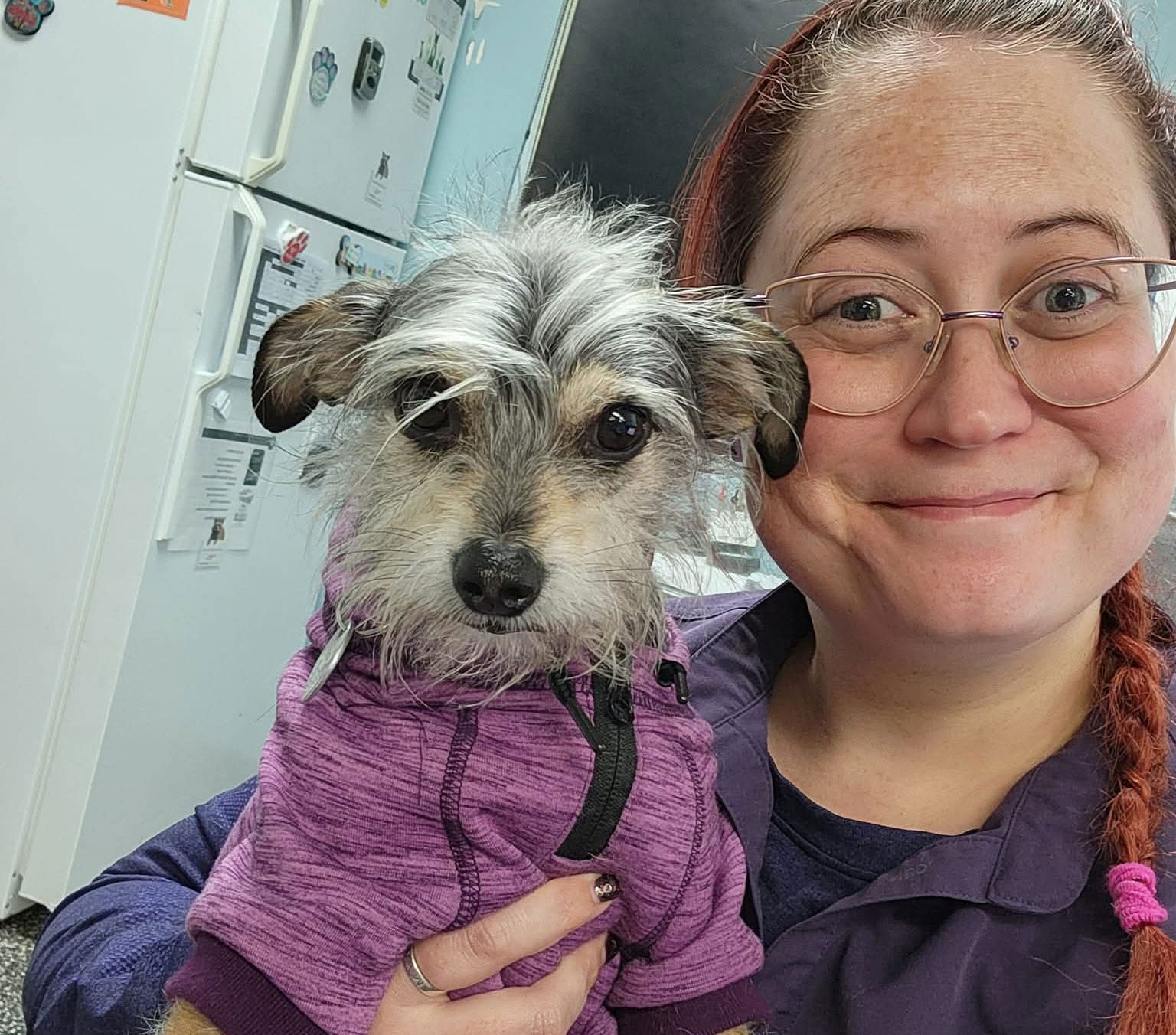
What first drew you to veterinary medicine?

I am a cliche – I was obsessed with animals as a child, and someone gave me the James Herriot books when I was in elementary school, and I’ve wanted to be a veterinarian ever since. As I went through school and gained knowledge and experience, I got to see the impact a veterinarian could have and came to appreciate the value veterinarians hold in a community of pet lovers.

What would surprise people about your work?

How much paperwork there can be! I suspect no one is drawn to veterinary medicine because of a love of writing medical records, but having good medical records is a very important part of any clinical veterinary role.

Is there a case or a moment in your career that stayed with you?

There are countless. I’ve been practicing for 17 years, and have spent a lot of time in emergency medicine and rural and remote practices. There are cases that have stayed with me because they were unique, moments that have stayed with me because they were heartbreaking, and cases I remember because the situation was intensely frustrating.

An early example would be when I diagnosed Giant Kidney Worm in a dog – a parasite not typically found in Newfoundland – and because of limited options in Newfoundland at the time and the owners not wanting to travel off island, I got to do the surgery to remove the infested kidney. It is difficult to express in words what that surgery was like – it was such an unlikely opportunity, and just intensely awesome. It’s probably my go to “coolest thing I’ve done” story, but the patients and clients who have stayed in my heart are legion.
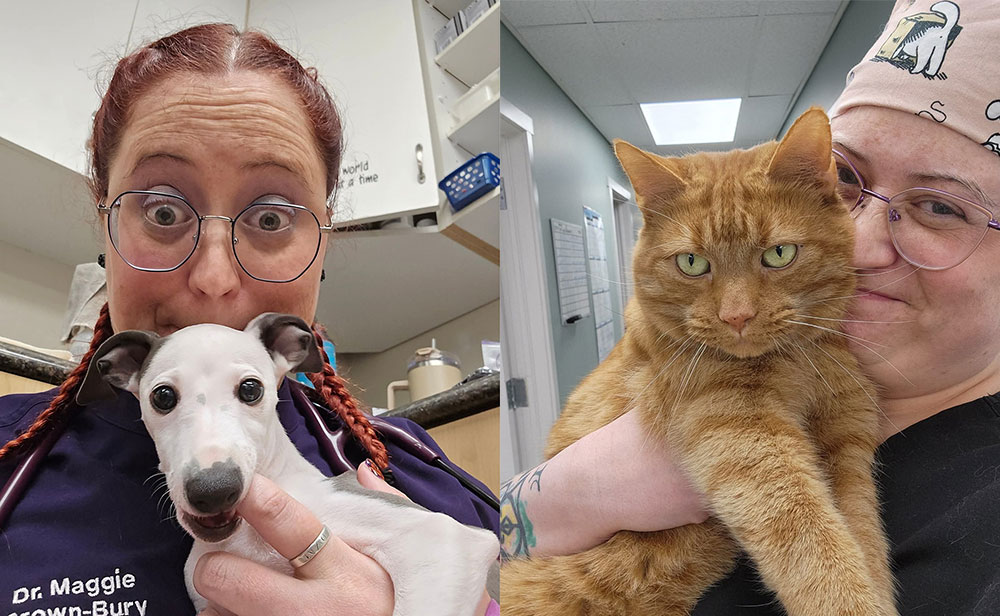

What is it like practicing in (your province)? How does the region influence the work veterinarians do there?

Practicing in Newfoundland and Labrador does present some challenges. Newfoundland being an island, with the only access to the mainland being ferry or plane (neither being very reliable) and Labrador communities being quite isolated and a long drive to any major city centres referral care is not often accessible to clients. There are limited referral services in St John’s, which we are very grateful for, and telemedicine does allow for some additional access but we are often faced with situations where care may be technically an option but logistically not available to a pet. Emergency services can also be limited – on call work and emergency work is a part of all general practices in this province to some degree.

While this can be frustrating at times, it also allows veterinarians who work in this province to really stretch their skills and have opportunities to do procedures and surgeries they may not have been in a position to need to learn if they worked somewhere with more readily available referral and emergency services. For those who enjoy being challenged and expanding their skills, it can be a rewarding situation.

Dr. Maggie Brown Bury