

Veterinary Expertise
Highly Trained. Highly Committed.
Canadian veterinarians are among the country’s most broadly trained health professionals, and their expertise protects far more than pets. In Canada, veterinarians require at least 6 years of university eduction to earn a Doctor of Veterinary Medicine (DVM) degree. This is followed by provincial and national licensing before they can practice. If they specialize, another 3 to 4 years of education is likely require. Their expertise spans anatomy, surgery, pharmacology, epidemiology, pathology, microbiology, nutrition, animal behaviour, public health, and preventative medicine.
In Canada, veterinarians are called upon to protect the health of both animals, and humans.


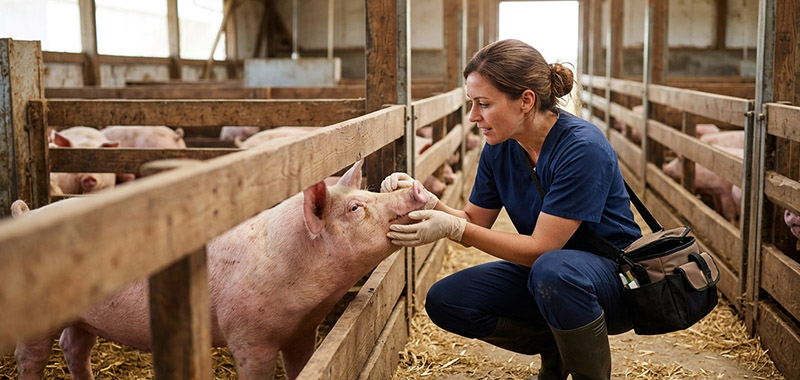
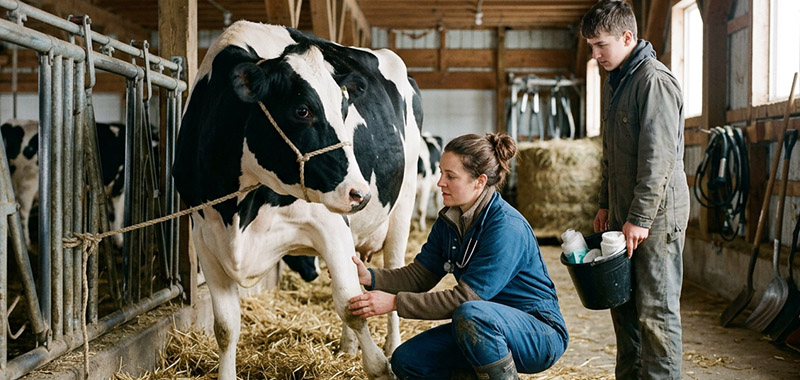



More than 16,000 veterinarians care for over 16 million cats and dogs living in Canadian households. They are far more than pet doctors though. Veterinarians safeguard livestock health, support farmers and food producers, help ensure the safety of meat, milk and eggs, monitor emerging diseases, protect wildlife, advance medical research, and strengthen Canada’s food security. They are educators, scientists, researchers, emergency responders, and trusted advisors whose work underpins healthy communities from coast to coast.
Veterinarians are educated across the biological and medical sciences, with training in areas such as anatomy, physiology, pathology, pharmacology, microbiology, infectious disease, diagnostics, surgery, epidemiology, animal welfare and public health. This comprehensive foundation equips veterinarians to do more than diagnose and treat animals. They help prevent and track disease, protect the food supply, advance scientific research, safeguard public health, support agriculture and contribute to the health of animals, people and the environments we share.Veterinary medicine demands an extraordinary breadth of knowledge.
NEWS HIGHLIGHT

NEWS HIGHLIGHT
The number of Canadian households owning cats or dogs rose from approximately 10.83 million in 2019 to 12.23 million in 2024.
That's an increase of roughly 1.4 million pet-owning households in five years, or about 13%.