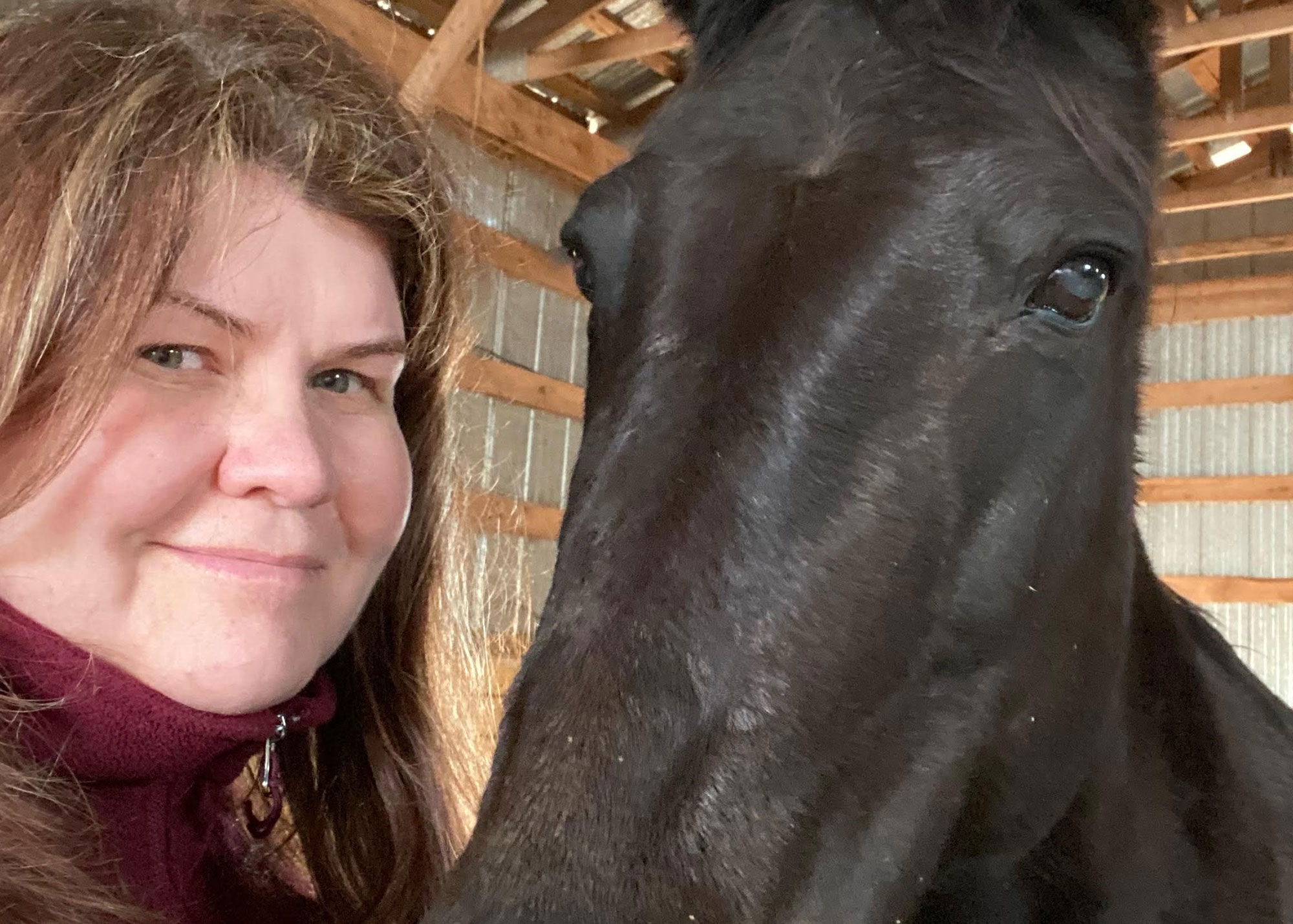
For Dr. Kathleen MacMillan, becoming a veterinarian was never much of a question.
Growing up on a horse farm in Prince Edward Island, she was fascinated by animals from an early age. Especially horses.
A Hospital on Wheels
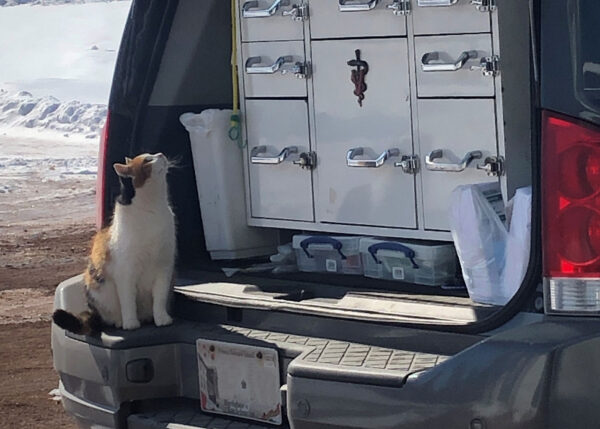
Much of Dr. MacMillan’s clinical work takes place on farms across PEI, bringing veterinary care directly to horses and their owners. Her work vehicle is equipped with equipment to take X-rays, endoscopy, dental equipment, medications and other tools needed to diagnose and treat a wide range of conditions.
“We’re basically a hospital on wheels,” she explains. “People might be surprised by how much we’re able to do right there on the farm. We have to be prepared for all kinds of different situations every single day.”
With PEI’s strong Standardbred racing industry, much of her work involves sports medicine, helping horses experiencing lameness or performance issues. Preventive medicine, dentistry and equine welfare assessments are also important parts of her practice.
While some patients have gone on to win prestigious races, including the Gold Cup and Saucer, Dr. MacMillan finds equal satisfaction in the everyday improvements that make horses healthier and more comfortable.
“Dentistry can be physically demanding, but it’s one of the things I feel best about when I leave the barn,” she says. “You know you’ve made that horse more comfortable.”
Not every memorable case has a happy ending. She recalls treating a young girl’s 3-year-old horse that had aggressive cancer and euthanasia became the most humane option.
“Afterward, the little girl came up, hugged me and thanked me for ending his suffering,” she remembers. “That has always stayed with me.”
It’s a reminder that veterinary care sometimes means making difficult decisions to protect an animal’s welfare and quality of life.
Veterinary Medicine Affects Everyone
Dr. MacMillan’s career illustrates the message behind Behind the Care, the CVMA’s national public education campaign: Vets Protect More Than Pets.
While many Canadians associate veterinarians primarily with treating sick or injured animals, the profession’s contributions reach much further.
Veterinarians help safeguard the food supply, prevent and manage infectious diseases, support animal welfare, protect wildlife and contribute to public health. Some work as epidemiologists, researchers or pathologists, while others strengthen biosecurity measures that prevent diseases from spreading between farms and communities.
Their work reflects the principles of One Health: the recognition that the health of animals, people and the environment is interconnected.
“Veterinarians play an important role in the health and welfare of animals, people and the environment,” Dr. MacMillan says. “We care deeply about the animals and people we serve, but there’s so much more to veterinary medicine than what happens in a clinic.”
As CVMA president, she also advocates for a profession facing significant challenges, including workforce shortages, demanding workloads and difficulties accessing some veterinary medications.
For Dr. MacMillan, one of the most rewarding aspects of her career remains the relationships she’s built with animals, their owners, students and the communities she serves.
And despite the many directions her career has taken, her motivation remains much the same as when she watched the veterinarian visit her family’s farm.
“We love animals, and we’re here to protect their health and welfare,” she says. “But ultimately, human health and environmental health are part of that equation too. That’s what I hope more Canadians come to understand about the work veterinarians do.”